

Frequently Asked Questions After Oral Surgery
Recovery & Healing FAQs: How Much Swelling Is Normal After Oral Surgery? | How Long Will Pain Last After Oral Surgery? | How Do I Manage Pain After Oral Surgery? | I’m Nauseous After Surgery — What Should I Do? | How Much Bleeding Is Normal After Oral Surgery? Stitches, Healing and Extraction Site FAQs: When Do the Stitches Come Out? | Is It Normal to Have a Hole in My Mouth After Surgery? | How Long Does It Take for the Mouth to Fully Heal? Medications & Medical Conditions FAQs: Do I Need to Stop Taking Blood Thinners? Sedation & Anesthesia FAQs: Will I Get Local Anesthesia If I’m Sedated? | Is IV Sedation Safe? About Our Surgeons FAQs: Are You a Specialist and Board-Certified? | Why Is an Oral Surgeon Both a Physician and a Dentist? | Do You Perform Oral Surgery in the Office?
After Oral Surgery – Recovery & Healing FAQs
How Much Swelling Is Normal After Oral Surgery?
Swelling is expected after any oral surgery, typically in the jaw, cheeks, and near or around the eyes. It usually peaks around day 3 and gradually subsides. Most swelling should be gone within a week to 10 days, but you may have some puffiness for up to 2 weeks.
How Long Will Pain Last After Oral Surgery?
It depends on the extent of your surgery. It is normal to have some degree of discomfort for 1 to 2 weeks following surgery.
How Do I Manage Pain After Oral Surgery?
Keeping ahead of the pain is key to managing it. Be sure to take your prescribed pain medication as directed and start it prior to the local anesthetic wearing off. Norco and Percocet can be taken every 2–6 hours. Ibuprofen (400–800mg) can be given every 4 hours as needed or can be given along with the narcotic pain medication. Do not take any additional Tylenol with the narcotic pain medication. Norco, Percocet, Darvocet, etc., already contain Tylenol. Exceeding the daily maximum recommended dose of Tylenol (4000mg/day) may lead to liver toxicity.
I’m Nauseous After Surgery — What Should I Do?
This is not unusual after anesthesia and with some narcotics. Try eating something before taking your medication or decreasing your medication. Ginger ale can soothe your stomach. If these don’t work, try switching to an over-the-counter medication such as Ibuprofen or Tylenol.
How Much Bleeding Is Normal After Oral Surgery?
Minor bleeding or oozing is normal for up to 72 hours after surgery. If it is heavy, you can place folded gauze or wet tea bags (not herbal or decaf) wrapped in gauze over the site and bite down for an hour. Continuous pressure should control the bleeding. If this does not work, call our office at Warminster Office Phone Number 215-672-6560.
Your Teeth Deserve Superior Care
Flagship Oral, Facial, and Dental Implant Surgery offers a number of oral surgery treatments that can keep your mouth healthy and your smile beautiful. Contact us today!
Stitches, Healing & the Extraction Site
When Do the Stitches Come Out?
Most sutures will dissolve or fall out on their own within 2 to 7 days. Some types of sutures may take 2 weeks or more to dissolve. Your surgeon or nurse will tell you which type of suture was used during your procedure.
Is It Normal to Have a Hole in My Mouth After Surgery?
Yes. This is the empty socket where the tooth was removed. It will close in about 12 to 18 weeks. We will provide instructions on keeping it clean and free of debris while healing.
How Long Does It Take for the Mouth to Fully Heal?
It takes 12 to 18 weeks for the area to completely heal.
Medications & Medical Conditions
Do I Need to Stop Taking Blood Thinners (Including Coumadin)?
We will require a consultation to determine whether you should stop taking any blood thinners before your surgery. This is to ensure your safety.
Sedation, Anesthesia & Safety
Will I Get Local Anesthesia If I’m Sedated or Under General Anesthesia?
Yes, as long as you are not allergic and there are no contraindications. Local anesthesia reduces the amount of sedation needed and lets you wake up pain-free.
Is IV Sedation Safe?
Yes. IV sedation enters the bloodstream directly and can be easily controlled throughout your surgery to keep you at the appropriate level of sedation for your comfort and safety.
About Our Oral Surgeons & Surgical Facility
Are You a Specialist and Are You Board-Certified?
Yes, we are specialists in Oral and Maxillofacial Surgery. This is the surgical specialty of Dentistry. It requires at least four additional years of training after dental school.
Why Is an Oral Surgeon Both a Physician and a Dentist?
It is important that surgeons have the best possible training and qualifications. This allows us to provide you with the highest level of care possible. As physicians and dentists, we have in-depth knowledge of all the complexities surrounding the oral and maxillofacial area.
Do You Perform Oral Surgery in the Office?
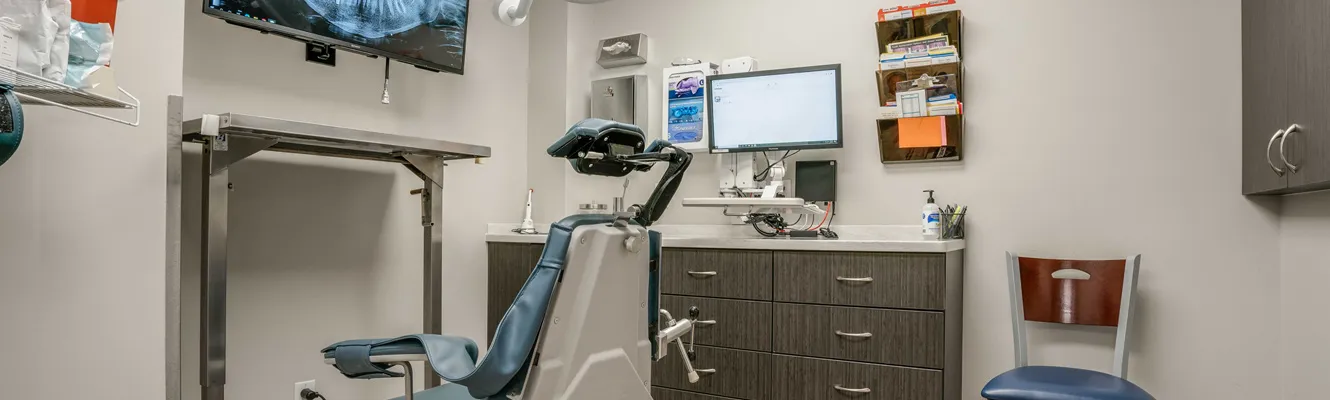
In many cases, yes. All of our offices are fully accredited surgical centers. Most of the surgery we perform is outpatient in our surgery centers. This provides you with a convenient, safe, and cost-effective environment for a wide range of oral surgical procedures. Patients with significant medical problems or more complex procedures may need to have their surgery done in the hospital.
If you have any questions that are not answered here, please feel free to contact us at Warminster Office Phone Number 215-672-6560. Our knowledgeable staff is always happy to assist you in any way or schedule an appointment.